

It’s a very common dilemma and a very common question in social work: What’s the difference between LMSW and LCSW? These licenses are a part of the same degree MSW but lead to very different careers. One offers the chance to work with one under the supervision of one. The other one provides you with an opportunity to practice alone. You’re not alone who is confused about which one it is that is right for you.
In this guide, lmsw vs lcsw is explained in easily understood terms. You will discover the actual distinctions in scope of practice, wage and the number of supervised hours. You’ll also discover why many LMSWs feel trapped and how the LCSW is helping to change that. At the end, it should not feel confusing at all what you should choose, whether you should choose lmsw or lcsw. You will know which license is right for you, your time and the type of social worker you would like to be.
What Is an LMSW? (And Why It’s Not the Full License You Think It Is)
An LMSW, or Licensed Master Social Worker, is the first license you get after finishing your MSW degree. It lets you work in many settings. But it comes with limits. In the lmsw vs lcsw debate, this is the biggest shock for new grads. An LMSW cannot diagnose clients. An LMSW cannot do independent practice.The majority of clinical work will need to be conducted with the supervision of an LCSW, psychologist, or psychiatrist.
However, the LMSW is no longer a waste. It leads to case management, community organizing and macro social work positions. Many LMSWs are employed in a government agency, school or a nonprofit. When I see people making comparisons of lmsw vs lcsw, I never think that LMSW is a working license. It’s not the last step. It’s the first step to full clinical licensing.
What Is an LCSW? The License That Actually Lets You Practice Independently
An LCSW, or Licensed Clinical Social Worker, is the advanced license. This is the core of the lmsw vs lcsw comparison. Unlike an LMSW, an LCSW can diagnose mental health conditions. An LCSW can offer psychotherapy without supervision. An LCSW can also open a private practice and bill insurance directly, including Medicare and Medicaid.
To reach this level, you need supervised clinical hours after your MSW. This usually takes two to three years. You also must pass the ASWB Clinical Exam. This is harder than the LMSW’s master’s-level exam. When people ask about lmsw vs lcsw, this is the real turning point. The LCSW gives you freedom. The LMSW does not.
LMSW vs LCSW Side by Side Comparison Table
Lmsw vs lcsw is evident when they are placed side by side. Here’s a quick comparison of the two licenses. Use this table to easily compare education, exams and scope of work.
| Feature | LMSW | LCSW |
| Education | MSW degree | MSW degree |
| Exam | ASWB Master’s Exam | ASWB Clinical Exam |
| Supervised Hours | 900–1,200 hours (varies by state) | 3,000–4,000 hours |
| Can Diagnose? | No | Yes |
| Independent Practice | No | Yes |
| Insurance Billing | No | Yes |
| Typical Focus | Macro, case management | Clinical, therapy |
This table shows why the lmsw vs lcsw decision matters so much. The LCSW simply has more authority. But it also demands more time and money to earn.
The Real Difference: Scope of Practice, Supervision, and Independence
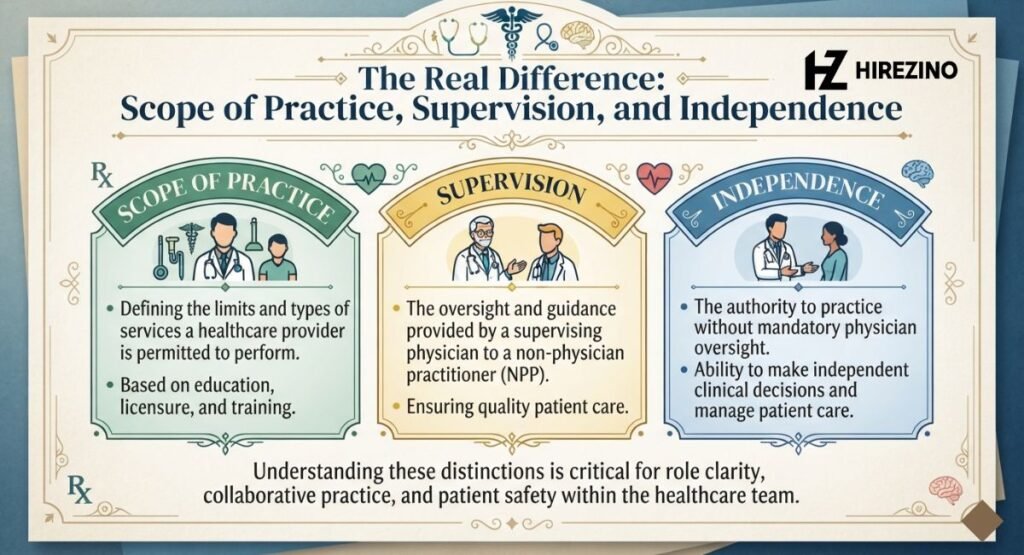
The heart of lmsw vs lcsw comes down to three words: scope of practice. An LMSW can do assessment, treatment planning, and case management. But an LMSW always needs clinical supervision for therapy work. An LCSW does not need that supervision. This is the single biggest gap in the lmsw vs lcsw debate.
Independent practice is the real prize. LCSWs can work alone. They can supervise LMSWs. They can lead clinical teams. LMSWs cannot do any of this. So when comparing lmsw vs lcsw, remember this: the LMSW is built to support. The LCSW is built to lead. Both roles matter. But only one gives you full control over your career.
“What’s the Point of an LMSW?” — Addressing the Frustration Head-On
Many LMSWs feel stuck. They ask, “What’s even the point of this license?” This frustration shows up often in online social work communities. In the lmsw vs lcsw conversation, this feeling is valid. LMSWs still need supervision, just like unlicensed workers. It can feel like the license didn’t change much.
But the LMSW does matter. It proves you passed a real exam. It qualifies you for higher-paying jobs than an unlicensed grad. It also starts your clock toward the LCSW. Think of it as a bridge, not a dead end. In the lmsw vs lcsw journey, the LMSW is step one. It’s frustrating, but it’s not pointless. It’s proof you’re moving forward.
LMSW vs LCSW Salary: How Much More Does the LCSW Actually Pay?
The choice of lmsw vs lcsw is significant with regard to money. Across the country, LCSWs are paid significantly more than LMSWs. This is even more pronounced in large urban and private practice settings.
- LMSW average salary: around $55,000 per year
- LCSW average salary: $66,000 to $94,000+ per year
- Private practice LCSW: can reach $80,000 to $160,000+
- The pay gap is about 20-30% higher for LCSWs than LMSWs.
Therefore, a lot of people do the research on lmsw vs lcsw prior to picking a career. The salary gap alone convinces many LMSWs to pursue the LCSW. But money isn’t the only factor. Some LMSWs prefer macro work and don’t need the higher clinical pay.
Supervised Hours, Exams, and Costs: What It Really Takes to Get Each License
Every lmsw vs lcsw decision comes with a cost. The LMSW requires fewer supervised hours. The LCSW requires far more. This time investment is real and should not be ignored.
- LMSW: MSW degree, ASWB Master’s Exam, little to no post-degree experience needed
- LCSW: MSW degree, 3,000–4,000 supervised clinical hours, ASWB Clinical Exam
- Supervision cost: 75–200 per hour if paid privately
- Total LCSW cost: often 7,500–30,000 if supervision isn’t employer-paid
This is the hidden side of lmsw vs lcsw. Many people focus only on salary. But the true cost of the LCSW includes time, exam fees, and supervision costs. Some employers cover this. Many do not.
Is the LCSW Worth It? A Realistic ROI Breakdown

The final question in lmsw vs lcsw is simple: is the LCSW worth the investment? For most people, yes. The math works out fast, especially with employer-paid supervision.
Say an LMSW earns $60,000. After becoming an LCSW, pay jumps to $75,000. That’s a $15,000 raise. If supervision costs $15,000 total, the break-even point is about one year. This is the strongest argument in the lmsw vs lcsw debate. The return on investment is often quick. Private practice LCSWs can break even even faster. But if you love macro work or plan to retire soon, the LCSW may not be worth chasing.
LMSW or LCSW — Which One Is Right for You?
After all this lmsw vs lcsw research, the choice comes down to your goals. If you want independent practice, higher pay, and the ability to diagnose and treat clients, go LCSW. If you love policy work, community organizing, or case management, the LMSW may be enough.
There’s no wrong answer in lmsw vs lcsw. Some social workers stay LMSW their whole career and love it. Others push through the supervised hours to reach LCSW and never look back. The right choice depends on what kind of impact you want to make.
Conclusion
The choice between lmsw and lcsw will impact your entire social work journey. Case Management, community work and a steady climb up the ladder are a reality immediately following an LMSW! An LCSW goes a step further, providing the opportunity to work independently, diagnose and make a significant increase in wage. Both are acceptable. It’s just a matter of where you want to go.
If you’re still considering between lmsw and lcsw, consider your objectives first. Desire to be a leader, diagnose and establish a private practice? If so, the extra hours and dollars for the LCSW are worthwhile. Are you interested in macro, policy or advocacy? The LMSW may be all that is required. Regardless of the path taken with either license, “lmsw vs lcsw” is a career that will move you forward in the field of helping people. Not sure social work is the right fit? You might also want to explore other unique career paths, like how to become a hand model.
FAQ’s
Can an LMSW diagnose mental health conditions?
No. Only an LCSW can diagnose clients. LMSWs can assess and support, but diagnosis requires clinical licensure.
Is LCSW higher than LMSW?
Yes. The LCSW is the advanced clinical license, requiring more supervised hours and a harder exam than the LMSW.
Can an LMSW work without supervision?
No. LMSWs must work under clinical supervision for therapy or mental health services. LCSWs can practice independently.
How long does it take to go from LMSW to LCSW?
Most social workers complete the transition in 2 to 3 years, earning 3,000–4,000 supervised clinical hours.
How much more does an LCSW make than an LMSW?
LCSWs typically earn 20–30% more than LMSWs, with the gap widening further in private practice.
Is the LCSW worth the extra time and cost?
For most social workers, yes. The salary increase usually covers supervision costs within 1 to 3 years.
What’s the difference between an LMSW and an LCSW?
An LMSW works under supervision in non-clinical or supported clinical roles. An LCSW practices independently and can diagnose and treat clients.