
what does not retained mean is a query that most job seekers are troubled with when they are given an unexpected notification on their application. The appearance of a job application in the Not Retained status can be disappointing, particularly when you have worked hard on the resume optimization and refining on how to present yourself at the interview. However, understanding what does not retained mean in the hiring process update can completely change your perspective. It’s not a personal failure but often part of the candidate selection process, where employers or the applicant tracking system (ATS) filter applicants based on specific requirements.
Once you really grasp what does not retained means, then you will start to see it as an opportunity to learn rather than be rejected. It enables you to evaluate your method, improve your job search strategy and discover where skills can be improved and developed. Each Not Retained message will be the stepping stone to stronger applications and improved employment opportunities in the future with the right attitude.
Understanding What “Not Retained” Really Means in Your Job Hunt
The reason why you see in your job application status, Not Retained, is normally because your application has stopped being considered in the position. Simply, it is the conclusion of your working career in that specific position. Understanding what does not retained mean helps you separate emotion from logic in the HR decision process. It’s not always a sign of failure—it’s an update in the recruitment filters that guide hiring teams in large organizations.
In most cases, “Not Retained” comes from automated systems or HR professionals finalizing a candidate evaluation criteria list. The applicant tracking system (ATS) identifies candidates who best match the job posting. Once others move ahead, your status updates. Knowing what does not retained mean gives you an opportunity to review your materials and align your future applications better.
Why Employers Mark Applications as “Not Retained”
Employers use the term “Not Retained” for several job rejection reasons. It may be because of resume and cover letter problems, and other instances it may be because of the wrong levels of experiences. It is beneficial to know what does not retained means so that you can know what to work on, such as optimizing the resume or displaying better strengths. The HR team makes its employment rejection decisions based on internal policies, not personal opinion.
Below is a short table showing common reasons for being marked “Not Retained.”
| Reason | Description |
| Experience gap | Candidate’s experience does not fully match the job role |
| Overqualification | Applicant’s background exceeds the position’s needs |
| Cultural fit | Values or work style may differ from company culture |
| Timing | Position filled before your application was reviewed |
Knowing what does not retained mean helps you focus on refining your approach rather than losing motivation. Every update in your job application status can serve as feedback for future progress.
The Emotional Impact of Job Rejection and How to Handle It

The presence of the label of a Not Retained can provoke the emotional reaction of rejection. Several applicants become frustrated, perplexed or even self-doubtful. However, knowing what does not retained does can assist you in taking out feelings and facts. It is not a commentary on your value, it is just an update on the hiring process that shows that this time around was not your day.
In order to cope, practice mental toughness in their job hunting by setting small and achievable goals. Keep positive people around and do not forget, rejection can be a good exercise, make you stronger as a job seeker. Your failure is one more step towards the following success when you concentrate on the possibilities of becoming a better person.
How ATS Systems Affect the “Not Retained” Status
The applicant tracking system (ATS) is one of the biggest influences on whether your application gets marked as “Not Retained.” Understanding what does not retained mean starts with knowing how ATS software scans resumes. Such systems screen out applications on a keyword optimization in the application resumes, education and job experience. In case your resume is not written in ATS-friendly resume formatting, there is a chance that you will never see a human recruiter.
An optimized resume is everything. Use resume keywords optimization that match the exact phrases in the job description. Following resume writing best practices ensures your skills get noticed by both computers and humans. Learning what does not retained mean from the ATS perspective helps you build better, more visible job applications.
Strategies to Improve Future Job Applications
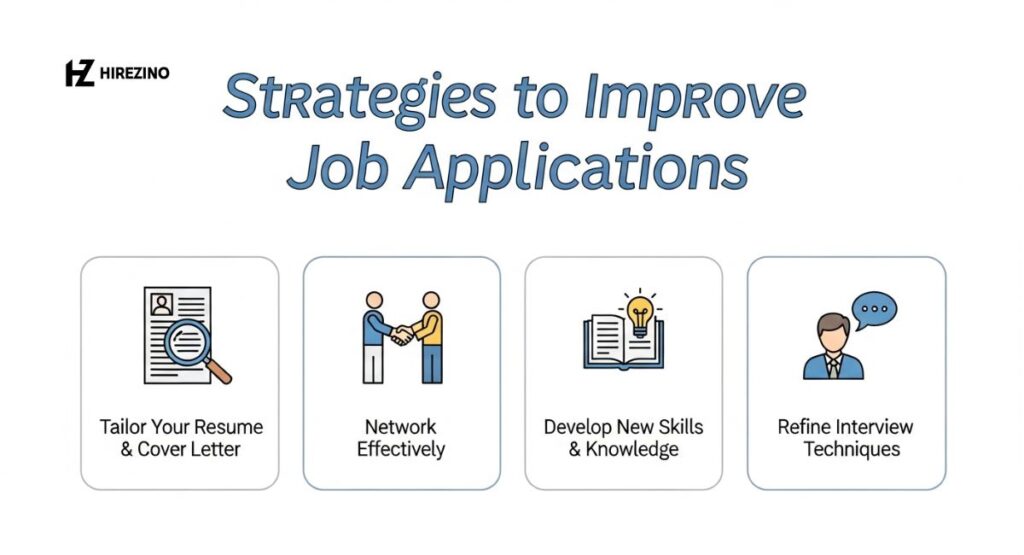
Once you know what does not retained mean, you can take action to improve future applications. Begin with revising your resume optimization plan. A professional resume writing service may prove useful and you should ensure that your resume presents results that are quantifiable. Optimization on keywords in the resumes should also be done because you do not want your experience to be unfamiliar with the employer needs.
It may be that your resume and cover letter problems only require polishing. Write concisely, customize every application and scrutinize the process of candidate selection. Minor changes can lead to great outcomes. Long-term success in the U.S. job market is the key of persistence, learning, and skill enhancement and development.
How to Request and Use Feedback After Rejection
Many job seekers forget the power of feedback from recruiters after receiving a Not Retained update. Once you understand what does not retained mean, politely ask for constructive feedback from employers. Some recruiters won’t respond due to policy, but others may offer valuable insights into your job interview performance or resume optimization.
Getting this recruiter feedback is a great way to increase your professional job application tips and prevent errors in the future. See all the feedback as a learning experience. Even your right recruiter communication etiquette may serve to make your profile be remembered in future jobs.
Developing Resilience in Your Job Search Journey
True job seeker resilience comes from consistent effort and a positive job search mindset. When you know what does not retained mean, you know it is a temporary failure and will not be permanent. Rejection will bring about discipline, flexibility, and mental stamina in job-searching-skills; each of them every successful professional builds.
The positive effects of practicing rejection are that you are likely to transform frustration into determination. Every No is an incentive to become stronger. Blend self-reflection and developing work relationships and networking to establish new avenues to your objectives. Being resilient is not all about survival after being rejected but also about making it a stepping-stone to success.
When to Pivot and Refresh Your Job Search Strategy
If you see “Not Retained” too often, it might be time to reassess your job search strategy. Understanding what does not retained mean helps you identify patterns. Are you applying for roles beyond your skill set, or using outdated resume formats? Use this insight to refine your job search approach and adapt to evolving job market insights.
Sometimes, success requires a pivot—new industries, certifications, or tools. Study the development and advancement program of skills to be competitive. Continue the process of your career growth by making sure that you revise your resume with new achievements and new training. Flexibility attitude is central to success in the long term.
Handling Communication with Recruiters Professionally
After learning what does not retained mean, maintaining proper recruiter communication becomes essential. Regardless of how displeasing the rejection mail can be, it should be remembered to be courteous in the response and follow the rules of communication in recruiting practices. Professionalism and emotional intelligence may be manifested through a polite message, and the inclusion of the terms that indicate respect towards their time.
This kind of attitude will help you in making professional relationships that are likely to lead to securing jobs in future. Most of the recruiters marvel at individuals who are able to send an email back to the person who has sent a rejection email in a graceful fashion. With such nonchalance, you can leave the door open that in future when new postings will be made vacant, you can consider that.
Practical Steps to Bounce Back Stronger After Rejection
The last step which should be followed to get back after rejection is to make a good recovery plan. Begin by defining what can be done to improve on your application. Having the awareness of what does not retained mean entails having the understanding of what to behave, rather than react. Take time to rebuild your motivation and analyze your candidate evaluation criteria against job postings.
Here’s a simple recovery checklist table for job seekers:
| Step | Action |
| Step 1 | Review and update resume keywords |
| Step 2 | Identify patterns in past rejections |
| Step 3 | Improve LinkedIn and portfolio profiles |
| Step 4 | Reassess job interview performance |
| Step 5 | Continue applying with confidence |
Each of these actions strengthens your profile and demonstrates job seeker improvement over time.
Long-Term Career Growth After Being “Not Retained”
True long-term career development begins with understanding what does not retained mean in a broader sense. It is not the end but a point in which one turns. This is done by putting an emphasis on professional career growth, which gives you a long-lasting chance to succeed in the future. Think about acquiring new digital technology, taking online classes, or acquiring certifications to be different.
Positive attitude to job search turns failure to concentration. You should learn to accept the negative consequences of job search by maintaining the morale. Every employment refusal will be the chance to re-evaluate your mission and reinforce your aspirations. Just continue growing, trying, and keep in mind, the Yes that will make everything will be the next.
Conclusion
Understanding what does not retained mean is the first step toward transforming disappointment into determination. When you view the “Not Retained” job application status as part of the natural candidate selection process, you begin to see rejection not as failure but as feedback. All choices made in the HR recruiter view provide the hint about where you can develop and polish and advance. The opportunity to rewrite your ATS-friendly resume, brush up on your resume writing best practices, and practice better recruiter communication etiquette each represent chances to redirect rejection.
Better still, the correct attitude is a way of turning a closed door to a new direction. Every time you get a decline in employment, you gain job seeker resiliency and learn how to adjust and fare better next time. Think of all the Not Retained moments as a step towards a long-term career development and professional career growth. Be proactive and have faith in your abilities and never give up because eventually, it will always be worth it because the next time could be the time when all the work you have done up to this point will count.
FaQs
What does it mean when an application is not retained?
It means your job application was reviewed but not selected to move forward in the hiring process.
What does “non-retained” mean?
“Non-retained” means you were not chosen to continue or remain in consideration for a specific job position.
What does retained mean in work?
In work, “retained” means you are kept or continued in your role, usually after a review or evaluation.
What does “retained” mean in a job application?
It means the employer has decided to keep your application under consideration for future or current openings.
What does it mean to be retained?
To be retained means to be kept, employed, or continued in a role by an organization or company.
What is a retained position?
A retained position refers to a role where an employee or candidate is secured to stay within a company for a set period.
What is the meaning of jobs retained?
Jobs retained means positions or employment opportunities that have been preserved or maintained by the employer.
What is a retained salary?
A retained salary is the pay that an employee continues to receive even after changes in role or company structure.