

What does a plumber do What happens if you have a pipe bursting in the middle of the night, at 2 am, while you’re still eating your dinner and your basement is flooded?So what does a plumber do when your pipes burst at 2 am in the morning and water is pouring out on your kitchen floor? They are quick to appear and have the ability to detect the problem and come up with a solution before it gets worse. Plumbers can do more than unclog clogged pipes. These are the tradesmen who are capable of putting in place water supply systems, fixing water drainage systems and conducting pipe repair job that will make your house smooth sailing. They play a significant role in our lives and if they were not there, then our life will remain stopped within a few seconds.
Not many people think of what a plumber does besides fix things. But, a licensed plumber is not your typical plumbing technician. Even if you do have a plumbing project to undertake or you’re looking for an emergency plumber, it can help you get in the door and into the home as well as be prepared for what to expect and why it’s important to all homes.
Who Is a Plumber and What Is Their Main Job?
A plumber is any plumbing professional that has been trained, licensed, or certified to install, repair, or maintain water and gas pipes, fixtures and systems in buildings. They can be found on houses, commercial buildings and construction projects, no matter how big. There are those who specialise in constructing new properties and then there are those who specialise in primarily repair work. The ultimate task of a plumber is to fix pipes.The first thing that comes to mind for the plumber is his/her pipe repair service. Allow water to percolate into the correct place and allow water to run into the wrong place.
Plumbing is an activity requiring access to water supplies, waste or gas lines. It’s hands-on and real-world, and requires that they think critically. How to determine whether a plumber is special? Thorough knowledge and understanding of codes and materials, as well as communication with homeowners’ repair concerns.
What Does a Plumber Do? A Day-to-Day Breakdown
No two days look identical for a working plumber, which is part of the appeal of a plumbing career. One morning might start with a plumbing inspection at a new build. By afternoon, it’s a boiler repair across town. What does a plumber do in between? Paperwork, parts runs, and quick client calls describing strange noises from the walls.
This involves cutting pipes, fault diagnosis, and cost estimation as part of the typical day on the job. Plumbers have to manage plumbing maintenance calls and real emergencies, prioritizing them according to their urgency when multiple calls are received simultaneously. That’s the very thing a plumber does very well, day in and day out, regardless of the weather conditions outside!
Types of Plumbing Services Offered Across the USA
Plumbing isn’t a one-size-fits-all service. Residential plumbing is used in apartments and houses it deals with common problems such as a leaky faucet. Commercial plumbing is for offices and large buildings and systems are larger and more complicated. Certain plumbers specialize with gas plumbing, new plumbing installation or central heating installation for ground-up construction.
What type of service does the plumber offer to each? They scale tools, speed and rate of pricing according to scale. A residential job may require an afternoon and a commercial contract may span of several weeks, as it requires permits and inspections. If you’re looking for a plumber, you need to choose the right specialist.
Common Plumbing Problems a Plumber Fixes
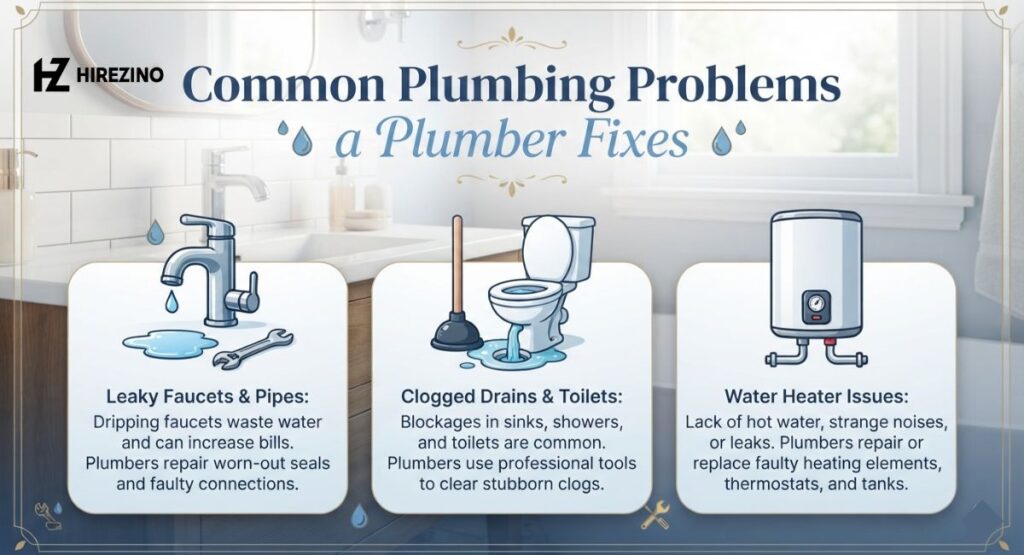
What does a plumber do if he discovers dirty clogged drains in his house? Usually, the initial step will be a camera inspection. These are followed by leaky pipes that can result in “undercover” water damage that no one will know about. Common work activity for the week is sanitation systems failures, low water pressure and faulty plumbing fixtures.
Then, what can a plumber do, if they have a more clandestine problem like tree roots in sewer lines? They employ special tools to find the blockage without digging up the lawn. Plumbers also get busy all year round with tasks such as hard water deposits, leaky pipes and broken water heaters, all of which can avoid turning into costly issues.
There are different tools and equipment that plumbers use while performing their work.
A plumber doesn’t need to be only a man with a smile on his face and a wrench in his hand. They are able to operate effectively using pipe cutting machines, hydro-jetters and leak detection devices. Where does all this equipment go in a plumbers van? Find the right tool for the job, from fine tools for precision repair jobs to heavy duty tools for large installs.
One of the most up-to-date plumbing tools available are cameras which can inspect sewer lines without any tearing of your back garden. What is different about the work of plumbers today from 10 years ago? A pipe does not have to be behind the wall for it to be “you don’t have to knock down the wall to see a pipe. They simply snake a small camera down and locate the problem, and make the repair without the mess and expense.
Skills and Qualifications Needed to Become a Plumber
It’s not all about muscle to become a plumber. This is as much as physical stamina – hard problem solving skills, mathematical ability and attention to detail is as important. Most students begin by starting to work in the plumbing industry, which is a combination of apprenticeship (on the job training) and classroom instruction, and are aiming toward plumbing certification. In the years what is the fate of a plumber? Shadow is introduced to the world of work and he begins to assume more roles.
So how does a plumber stand out amongst the many plumbing services providers? Combine technical skills and excellent customer service skills and follow up. The licensing requirements vary among states, and typically involve a set of hours of apprenticeship training, as well as a passing grade on an exam. If you’re weighing multiple opportunities during your apprenticeship search, knowing how to politely decline a job offer can help you turn down the wrong fit without damaging future connections in the trade. When seeking out a job to do big jobs, always ask questions at your state licensing board first.
What’s the difference between the plumber and handyman?
Handyman can perform small maintenance or repair projects such as hanging pictures or fixing drywall. However, an electrician is trained and licensed in electrical, gas and drainage issues. This is why a plumber can do more than a handyman can because it’s not part of his job description. This is particularly true with installation of gas lines and other significant plumbing work.
So what’s the difference between a registered plumber and an unlicensed plumber? Take pulls, keep high standards of code and document work for future inspection. A handyman can help you to save money on the initial expenses, but can not help you save any trouble later.
When Should You Hire a Professional Plumber?
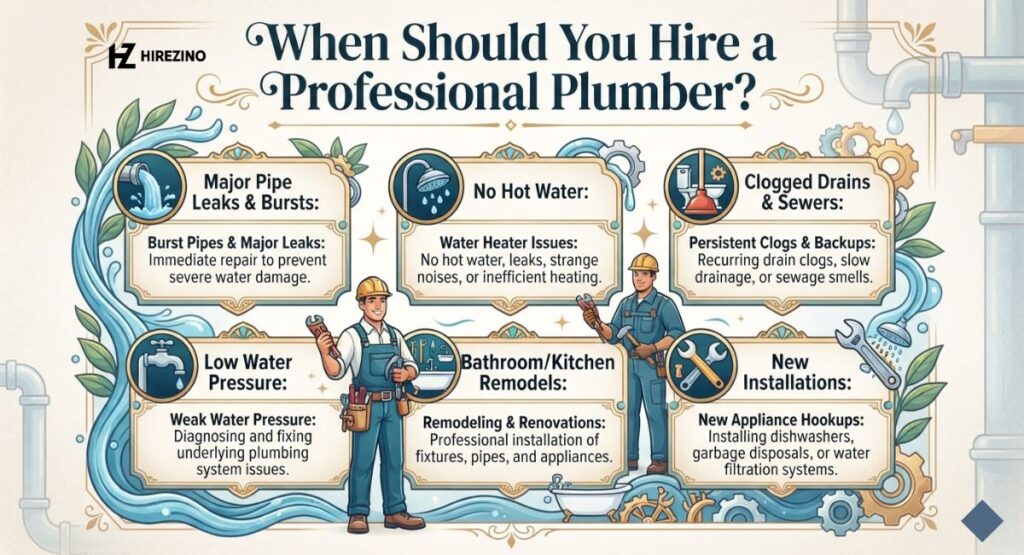
Any minor issues that could be resolved, like the loose showerhead? Have a fun and easy vacation DIY. When there’s a drop in water pressure, a whiff of gas or a lot of clogs, however, the moment has arrived for a pro and that’s the moment that what does a plumbing professional do issues. Delayed maintenance of plumbing systems can easily end up costing $1500 later.
Nothing can beat a brief tutorial for a plumber! Find the cause of the symptom, rather than the symptom itself. If you notice one or more of the following, you should not wait for YouTube to tell you it’s time to call a plumbing contractor: The drains in your home flow slowly, not so fast that they’re clogging up; Your water bill is higher than usual or has peculiar peaks; You smell gas around any of the appliances in your home.
What is the cost of a plumbing repairman? (2026 Cost Guide)
Another common question besides what does a plumber do is plumbing pricing. The price of plumbing is dependent on a number of factors such as the location, type of job, and the urgency. When a plumber works by the hour, their work is worth it? Add in travel time, parts lead time and special training needed to do task safely and correctly (first time).
| Service Type | Average Cost Range |
| Standard hourly rate | $45–$200/hour |
| Emergency call-out fee | $100–$300 |
| Drain cleaning | $150–$350 |
| Water heater installation | $850–$1,800 |
| Full repipe (whole home) | $4,000–$15,000 |
Emergency timing, permit fees and material type can all make a huge difference in the final costs, particularly when compared to coastal cities.
Benefits of Hiring a Licensed and Experienced Plumber
You can’t beat a Licensed Plumber for the added accountability. If it doesn’t work perfectly after work is completed, they are responsible for fixing it – this means they will do that without charging the customer anything, and they will probably give them a written warranty to ensure the customer’s peace of mind. What changes does a plumber make after he is done? Identify problems that others might not be able to see, because of years of experience.
What is the secret for a plumber to retain customers and referrals? Be on time, be clear, and support and back up work without excuses. Unlicensed work jobs can save costs in the beginning, but will usually be offset by rework and insurance problems.
Conclusion
After all, what is a plumber? They can save your home, your family and your finances from potential disasters. From a routine plumbing inspection to a no-digesting-to-night boiler repair to a burst pipe that can only happen at 2 am in the morning, these craftsmen keep modern life humming along the behind-the-walls of every home and business nationwide.
Being aware of what a plumber does also assists you to make better decisions. You’ll know when something is a do-it-yourself problem or one you’ll need to call a licensed plumber. You’ll know what fair pricing is before hiring a plumbing contractor and you will also know why cutting corners in plumbing installation or pipe repair will actually cost you more in the long run.
Plumbing is more than just a job; it’s the lifeline of a safe, healthy home. So the next time your faucet runs a little, and your drain takes a little longer, you’ll know what does a plumber do and how valuable the work is to you and to them.
FAQs
What does a plumber do?
A plumber installs, repairs, and maintains water, gas, and drainage systems in homes and commercial buildings. Their work includes fixing leaks, unclogging drains, installing fixtures, and handling emergency repairs like burst pipes or sewer backups.
What is the main job of a plumber?
A plumber’s main job is keeping water and gas flowing safely through a building’s pipes while preventing leaks, backups, and contamination. This covers everything from new plumbing installation to routine plumbing maintenance and emergency repairs.
How long does it take to become a plumber?
Most plumbing apprenticeships in the USA take four to five years to complete. This includes paid on-the-job training combined with classroom instruction, followed by a licensing exam required in most states before working independently.
Is plumbing a good career?
Yes, plumbing is considered a strong, stable career in the USA. Demand for skilled trades remains high, wages are competitive, and the job offers steady work since plumbing problems never fully go away.
How much do plumbers charge per hour?
Plumbers typically charge between $45 and $200 per hour in the USA, depending on location, experience, and job complexity. Emergency or after-hours calls often include an additional call-out fee.
What is the difference between a plumber and a handyman?
A plumber holds specific licensing for water, gas, and drainage systems, while a handyman handles general repairs like drywall or shelving. Plumbers are legally required for gas lines, sewer work, and major pipe installation.
When should I call an emergency plumber?
Call an emergency plumber immediately for burst pipes, gas leaks, sewer backups, or a complete loss of water pressure. These issues can cause serious property damage or safety risks if left untreated overnight.
Do plumbers work on weekends?
Yes, many plumbers offer weekend and after-hour availability, especially those providing emergency plumber services. Plumbing problems don’t follow a schedule, so most companies keep emergency lines open around the clock.
How much do plumbers make a year?
Entry-level plumbers in the USA typically earn around $40,000 per year, while experienced or self-employed plumbers can earn $75,000 or more annually, depending on location and specialization.